






























Kyriba Alternatives for Scale Ups: Enterprise Treasury Without the Enterprise Programme
 Copied!
 A fit led comparison of seven Kyriba alternatives for scale ups, covering bank connectivity, forecasting, implementation effort and the company shape each route serves.
Scale ups usually look beyond Kyriba when they want connected cash visibility, forecasting and payment control without running a large transformation programme. The right alternative depends on entity count, banking complexity, implementation capacity and whether treasury is a specialist function or part of a lean finance team.
TL;DR
- The right alternative depends on entity count, banking complexity and implementation capacity.
- It also depends on whether treasury is a specialist function or part of a wider finance role.
- The guide is fair about what Kyriba does well and who it is built for.
- Alternatives suited to companies under 500 people are compared on bank connectivity, forecasting and yield.
- It sets out what switching from a legacy system actually involves, and which alternative fits which company shape.
Explore Round's connected treasury platform
This guide compares Kyriba with Nomentia, Trovata, Cobase, Embat, Agicap, TreasuryView and Round. It focuses on company shape, operating ownership and migration effort. Product scope changes, so the shortlist should end with every provider solving the same three scenarios using your banks, entities and controls.
Why do scale ups look for a Kyriba alternative?
The usual trigger is not a missing feature. It is a mismatch between the system's possible scope and the team's practical capacity.
A scale up may have outgrown online banking and spreadsheets. It may need consolidated visibility, cash forecasting, payment controls and clearer group governance. Yet it may not have a dedicated implementation office, a treasury technology specialist or a large data team. The finance leader wants a reliable operating layer, but cannot pause the rest of finance to build it.
Five pressures tend to bring the question forward:
- More banks and entities make the morning cash position slow to assemble.
- Forecasts are hard to refresh because actual balances and expected movements live apart.
- Payment approvals differ across banks and subsidiaries.
- The board wants clearer evidence of liquidity policy and concentration.
- Finance needs results before it can justify a larger treasury function.
The alternative market now includes several shapes. Some products concentrate on bank connectivity and cash analytics. Some bring payments and risk management. Some join treasury to accounts payable. Some are built for larger treasury teams, while others are deliberately designed for lean finance functions.
The first buying decision is therefore scope. Write down the three outcomes the team must improve in the next six months. Keep the list short. A shortlist built from those outcomes is more useful than a long feature matrix copied from procurement software.
What does Kyriba do well, and who is it built for?
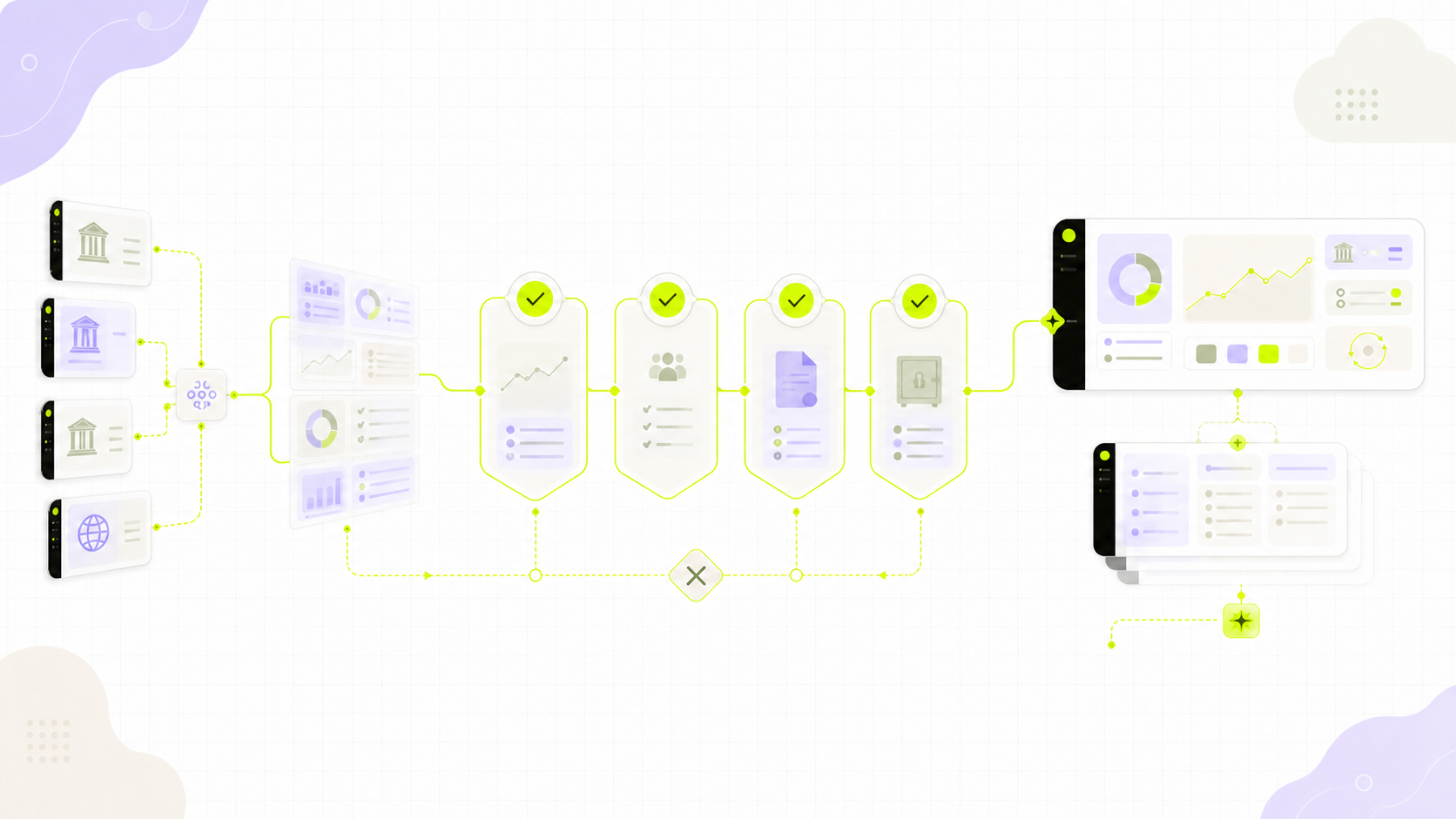
Kyriba presents a broad liquidity performance platform spanning cash, payments, risk, working capital and connectivity. Its public material describes connectivity across banks and enterprise systems at substantial scale. That breadth matters for organisations with mature treasury functions and complicated global operations.
Kyriba can be a strong fit when a business needs several treasury disciplines in one strategic programme, has internal ownership for design and change, and is prepared to configure processes carefully. Its value is easier to realise when the company can name a programme owner, data owners and control owners from the start.
For a smaller team, the same breadth can create questions. Which modules are genuinely needed now? Who will maintain the data and workflows? How much process change is required? Can the first useful group cash view arrive before the wider implementation is complete?
These are not reasons to reject an enterprise TMS. They are reasons to test time to value and operating ownership as seriously as product capability.
Which Kyriba alternatives suit companies under 500 people?
There is no universal headcount threshold. A 300 person company with 40 entities and cross border payment complexity may need more treasury infrastructure than a 900 person domestic business. Headcount is a useful proxy for implementation capacity, not a purchasing rule.
| Option | Product shape | Best reason to shortlist | Question to settle early |
|---|---|---|---|
| Broad cash and treasury management suite | A team wants substantial treasury depth with modular scope | Which modules and implementation resources are needed first? | |
| Bank connected cash visibility and forecasting | Fast access to bank data and analytics is the core need | How will payments, controls and non bank data fit around it? | |
| Multi bank connectivity, cash and payment operations | Bank access and payment workflow are central | What is the precise entity and approval design? | |
| Treasury management with connectivity and forecasting | A European scale up wants a modern treasury workflow | Which countries, banks and accounting systems are covered? | |
| Cash management and forecasting for finance teams | Cash planning is the immediate operational gap | How far does the scope extend into group controls and payments? | |
| Treasury operating software for growing companies | A lean team wants a focused, guided treasury setup | Which advanced requirements might need another system later? | |
 Round Round | Connected banking, group visibility, AP and treasury workflow | A UK scale up wants treasury and payables decisions in one view | Does the current bank, entity and ledger coverage match the group? |
Nomentia
Nomentia offers a broad set of treasury capabilities. It belongs on a shortlist when the team wants significant functionality but would prefer to define a modular path rather than begin with the widest enterprise programme.
Ask the provider to separate essential first phase work from later modules. A useful proposal should show the first live group position, the data sources needed and the owner for each subsequent capability.
Trovata
Trovata is strongly associated with bank connected cash visibility, reporting and forecasting. It can suit a team whose immediate pain is assembling and analysing bank data across accounts.
Test how the operating model extends beyond visibility. Confirm where payment initiation, approvals, accounting data and policy controls will live. A focused product can be a strength when its boundary is explicit.
Cobase
Cobase brings multi bank connectivity and payment operations into a central environment. It is relevant when finance needs to reduce the number of bank portals and standardise approval handling.
The demo should reflect the real legal entity structure. Use different directors, approval limits and bank mandates. Confirm how those rules are represented and how exceptions are surfaced.
Embat
Embat is a modern treasury platform with cash management and forecasting capabilities. It is worth considering for European businesses seeking a contemporary workflow and connected data.
Coverage is the practical gate. List the countries, banks, entities and ERP or accounting systems in scope. Ask the provider to confirm each one and distinguish live native connections from planned or assisted routes.
Agicap
Agicap is built around cash management and forecasting for finance teams. It can be a natural step when spreadsheets no longer give the team a current view but a larger treasury transformation is not justified.
Clarify how the forecast is maintained, how actuals refresh and which group controls sit inside the platform. Forecasting quality depends on operating discipline as well as software.
TreasuryView
TreasuryView focuses on helping growth companies establish treasury visibility and practice. It may appeal to teams that want a more guided, proportionate route into treasury management.
Ask how the platform grows with additional banks, entities and control needs. The right focused system should have a clear expansion path, even if it does not attempt every enterprise module.
Round
Round connects bank visibility, multi entity cash context and accounts payable workflow. Teams can move from a consolidated position into the entity, account and transaction behind it, while invoice decisions use the same cash context.
This shape is relevant for a lean UK finance team where treasury and payables are handled by the same people. Test the exact bank and ledger coverage, group permissions and approval model. Avoid assuming that a single interface removes the need for clear authority.
How do the alternatives compare on bank connectivity, forecasting and yield?
These three areas are often placed in one feature row, but they need different evidence.
Bank connectivity is about coverage and reliability. Ask which connections are direct, which use open banking, which depend on file exchange and how often each source refreshes. Then ask what happens when a connection needs attention. A large logo count is less useful than confirmed coverage of your actual banks and account types.
Forecasting is about method and maintenance. Some systems begin with bank transaction history. Others incorporate accounting data, invoices or user entered drivers. Ask who updates assumptions, how forecast versions are compared and how easily finance can explain a variance to the board.
Yield or return management introduces product and compliance questions beyond software. Avoid comparing a headline percentage in a TMS selection table. Rates change, eligibility differs and capital treatment matters. Instead, assess whether the platform makes eligible cash, policy limits, counterparties, approvals and product information visible enough for an authorised person to decide. Obtain current product terms and appropriate advice separately where needed. Capital may be at risk where an investment product is used.
The strongest demo uses one real week of data. Ask the vendor to connect or safely import representative balances, build a short forecast and show how an approved action would be documented. That reveals whether the product creates a usable routine or only an attractive dashboard.
What does switching from a legacy TMS actually involve?
Migration is mostly a decisions project. The technical connection matters, but the hardest work is agreeing what moves, what stays and what the new operating standard will be.
A proportionate migration has six stages.
1. Define the first useful outcome
Choose a narrow first release such as one group cash position across all core operating accounts. State how current it must be, who uses it and what decision it supports.
2. Inventory the current estate
List banks, accounts, entities, currencies, accounting systems, payment methods, users and approval mandates. Record which files or manual adjustments currently make the position work.
3. Clean ownership and permissions
Remove former users, confirm directors and signatories, and map the approval policy. A new platform should not reproduce old access ambiguity.
4. Run both views briefly
For a defined period, compare the old and new group positions. Investigate differences by source and timing. Parallel running should have an end date and acceptance criteria, or it becomes permanent duplication.
5. Move decisions, not just data
Train the team on the new morning routine, exception queue, forecast update and approval evidence. A dashboard is not adopted until the operating meeting uses it.
6. Retire the old path deliberately
Archive required records, remove redundant access and document where historical evidence remains. Confirm support ownership for bank and ledger connections.
For a scale up, the best migration plan is often phased by operating outcome rather than module. Visibility first, then forecast routine, then payment or policy workflow. That sequence lets the team prove value while preserving control.
Which alternative fits which company shape?
Choose Nomentia when the company needs broad treasury depth and can support a structured modular implementation.
Choose Trovata when bank data, cash visibility and analysis are the clearest immediate needs.
Choose Cobase when central multi bank access and payment operations are central to the case.
Choose Embat when a European group wants a modern treasury platform and confirmed coverage matches its footprint.
Choose Agicap when the finance team's first priority is improving cash planning and forecast discipline.
Choose TreasuryView when a growth company wants a focused path into treasury practice and a guided operating model.
Choose Round when a lean UK finance team wants group cash visibility and accounts payable decisions to share one connected context.
Choose Kyriba when the breadth, global scale and strategic programme are the point, not an implementation burden the team is trying to avoid.
The decision becomes clearer when every vendor is asked to solve the same three real scenarios. Build a Monday group position. Explain a forecast variance. Route one unusual payment through the correct authority. Score usefulness, evidence and effort. The product that handles your operating reality most clearly is a better fit than the one with the longest feature list.
Sources
Frequently Asked Questions
Not necessarily. A focused platform can be a durable fit when its coverage and control model match the company. Test future entity, bank and permission needs before deciding.
Long enough to compare representative cycles and resolve material differences, but with explicit acceptance criteria and an end date. The appropriate period depends on reporting and payment cadence.
Spreadsheets may remain useful for analysis, but they should not be the hidden integration layer for critical balances, permissions or payment status. Define which records the platform owns.
Confirmed bank and system coverage, a demonstration using your scenarios, an implementation plan with owners, security information and a clear support route for failed connections.
Software can surface data, apply configured rules and prepare workflows. Authority, risk appetite and exceptional decisions remain human responsibilities.