






























What Belongs in a Board-Ready Cash and Runway Report (and How Often to Update It)
 Copied!
 What a board-ready cash and runway report should contain, section by section, how to calculate runway without the two burn definitions talking past each other, and which parts should update weekly, monthly or live.
A board-ready cash and runway report needs nine things:
- Closing cash by entity and currency
- Restricted versus available cash
- Net burn stated against gross burn
- Runway with its assumptions written down
- Cash conversion
- AP and AR ageing
- Committed but unpaid spend
- FX exposure
- A forward view with a stated confidence level.
Get those nine right, update each one on the cadence it actually needs, and you'll be alright.
See how Round brings cash visibility and finance workflows together
What belongs in a board-ready cash and runway pack?
Closing cash by entity and currency
The question: how much do we actually have, and where?
A single consolidated cash figure hides the entity that is quietly overdrawn and the currency balance that looks fine in GBP terms but is thin in the local one. If the business runs more than one entity, whether that is a UK parent with a US subsidiary or two operating companies under a holding structure, show cash by entity first and roll it up second, not the other way round. Our guide to multi-entity cash management covers the structural reasons this trips people up.
Restricted versus available cash
The question: how much of that cash can we actually spend?
A balance that includes a rent deposit, a customer prepayment held against future delivery, or funds ring-fenced for a specific supplier is not the same as cash the business can deploy this week. Boards that see one blended number tend to assume all of it is available, and that assumption is exactly what causes a founder to promise something the cash cannot cover.
Net burn, defined against gross burn
The question: are we spending more than we are bringing in, and by how much?
This section only works if it states its own definition. Gross burn is total cash out in the period. Net burn is cash out minus cash collected from customers in the same period. Quoting one without naming it is the single most common reason a board and a founder end up disagreeing about the same set of numbers.
Runway, with the assumptions stated
The question: how many months until the cash runs out, on what basis?
Runway is a derived number, not a fact, and it is only as good as the burn figure and the assumptions feeding it. State the burn definition used, the starting cash figure, and whether the calculation assumes flat spend, a hiring plan already committed, or revenue growth that has not yet closed.
Cash conversion
The question: how long does a pound of revenue take to become a pound of cash?
A business can show healthy revenue and still be starved of cash if collections lag. This section connects the P&L story to the bank balance story, which is usually where the two start to disagree.
AP and AR ageing
The question: who owes us, who do we owe, and how overdue is each?
A single "AR: £340k" line hides whether that is thirty days old and routine or ninety days old and a genuine collection risk. Ageing buckets, even three of them, turn a static number into something a board can act on.
Committed but unpaid
The question: what has already been promised that has not hit the bank yet
Signed contracts, purchase orders raised but not yet invoiced, and the next payroll run all reduce effective cash before they show up in any bank feed. Leaving this out is the most common way a runway figure quietly overstates the real position.
FX exposure
The question: how much of our cash and burn sits in a currency we do not operate in day to day?
A UK company paying a US vendor or holding EUR revenue carries exposure that a single-currency runway figure erases entirely. State the exposed amount and the currencies involved; a full hedging discussion belongs in the treasury policy, not the monthly pack.
A forward view, with a stated confidence
The question: what do we expect three months out, and how sure are we?This is the section that turns the pack from a rear-view mirror into something the board can use to make a decision now. It needs a plain confidence label, such as "high confidence: contracted revenue only" or "low confidence: includes pipeline not yet closed", rather than a single unqualified number dressed up as forecast.
How do you calculate runway properly, with a worked example?
Take a company with £2,400,000 in available cash. Cash going out this month, everything from payroll to rent to supplier invoices, comes to £420,000. Cash collected from customers in the same month is £150,000.
Gross burn is £420,000. Net burn is £420,000 minus £150,000, which is £270,000.
Runway on net burn: £2,400,000 divided by £270,000 is 8.9 months. Runway on gross burn: £2,400,000 divided by £420,000 is 5.7 months.
Same company, same month, a gap of more than three months between the two answers. That gap is where boards and founders talk past each other. A founder quoting net burn is not wrong, but net burn assumes this month's collections repeat every month, which is a real assumption, not a fact. A board member calculating on gross outflows only is more conservative but ignores revenue the business is actually collecting.
Neither number is the lie. The lie is presenting either one without saying which it is. State the definition, show both if there is room, and let the board pick which one it wants to plan against.
What updates monthly, what updates weekly, and what should be live
Not every section earns the same refresh cycle, and treating them all the same is how a pack becomes either stale or exhausting to produce.
Cash position, AP ageing and AR ageing should update weekly. They move fast, the underlying data already exists inside the banking and accounting systems, and a week-old debtor list is genuinely less useful than a current one. Refreshing these weekly costs almost nothing once the source systems are connected, because nobody is retyping numbers, they are pulling them.
Burn, runway, cash conversion and the forward view should update monthly. These need a full month of transactions to mean anything; a burn figure calculated from twelve days of data is noise, not signal. Trying to report runway weekly usually produces a number that whipsaws with normal payment timing and trains the board to stop trusting it.
The underlying cash position itself, separate from the pack, should be live rather than a snapshot. A director asking "what is the balance right now" during a call should not have to wait for next month's document. This is the argument for connecting bank feeds directly rather than rebuilding the picture from portal exports each time; our piece on real-time cash visibility across multiple banks sets out the mechanics.
There is a governance reason this matters beyond convenience.
Under the Companies Act 2006, directors have a duty to act in the way they consider would be most likely to promote the success of the company, which in practice requires them to actually know the company's financial position rather than assume it (Companies Act 2006, section 172).
Once a company is insolvent or bordering on insolvency, or insolvent liquidation becomes probable, that calculus shifts: the Supreme Court confirmed in BTI 2014 LLC v Sequana SA that a duty to have regard to creditors' interests is engaged at that point, not before (BTI 2014 LLC v Sequana SA and others, UK Supreme Court, case UKSC-2019-0046, judgment reported at [2022] UKSC 25).
And under section 214 of the Insolvency Act 1986, a director who knew or ought to have concluded there was no reasonable prospect of avoiding insolvent liquidation must take every step a reasonably diligent person would take to minimise loss to creditors, or risk a personal contribution order later (Insolvency Act 1986, section 214).
None of that turns a monthly board pack into a legal document. It is the practical reason a stale or vague runway figure is not just an inconvenience: it is the thing standing between a board and knowing, in time, that a harder conversation needs to happen.
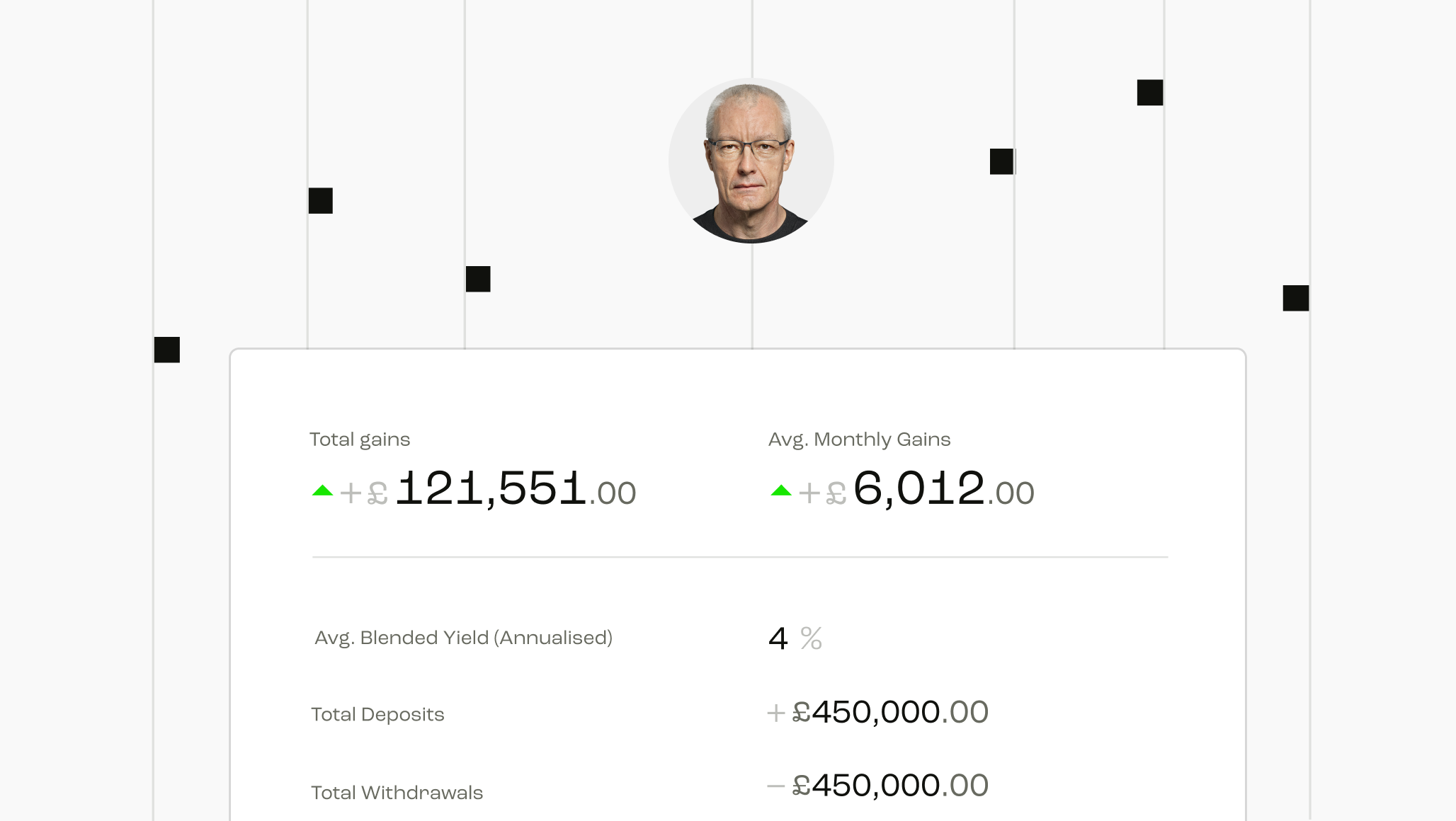
What does the pack look like at a glance?
What should you leave out?
Most board packs get longer over time, not shorter, because nobody wants to be the person who cut a section someone once asked for. That instinct produces a document with twelve pages, three of which get read.
- Leave out narrative commentary that restates what the numbers already show.
- Leave out screenshots of dashboards when the number itself would take one line.
- Leave out strategic context that belongs in the CEO update, not the cash pack.
- Leave out granular transaction-level detail; a board wants the ageing bucket, not every individual invoice.
- And leave out any projection dressed up as certainty rather than labelled with its confidence level, because that is the fastest way to lose the board's trust in every number that follows it.
A four-page pack that answers the nine questions above, each with a clear source and a plainly stated confidence level, gets read line by line. A twelve-page pack gets skimmed for the total and set aside. Shorter is not a compromise here. It is the version that actually gets scrutinised, which is the entire point of sending it.
This pack answers what the cash position is and how it is trending. It does not replace a treasury policy, which sets the rules for how cash is held, moved and approved in the first place; our board-ready treasury policy template covers that companion piece.
Round's dashboard pulls bank, AP and AR data into one place so the weekly sections do not depend on someone logging into four portals before Friday, the same connected approach behind how AI-orchestrated treasury management works. Automation prepares and surfaces the numbers; the finance lead and the board still decide what they mean, which is exactly how it should work.
Sources
Frequently Asked Questions
Nine things: closing cash by entity and currency, restricted versus available cash, net burn (defined against gross burn), runway with its assumptions stated, cash conversion, AP and AR ageing, committed but unpaid spend, FX exposure, and a forward view with a stated confidence level. Each answers one question a director will otherwise ask out loud.
Divide available cash by monthly net burn (cash out minus cash collected), not gross burn (cash out only). State which one you used. The two numbers can differ by months, and a pack that does not say which it means invites the board and the founder to argue two different answers to the same question.
Gross burn is everything paid out in a month: payroll, rent, tools, suppliers. Net burn subtracts what came in from customers in the same period. Gross burn is the more conservative, more useful number for a runway calculation because it does not assume collections hold steady.
Cash position and AP/AR ageing should update weekly because they change fast and are cheap to refresh. Burn, runway and the forward view should update monthly because they need a full month of transactions to mean anything. The underlying bank balances should be visible live, even though the pack itself is a monthly snapshot.
A board has one meeting and finite attention. A twelve-page pack with three pages a director actually reads gets skimmed, not challenged. A four-page pack that answers the nine core questions and cuts commentary, screenshots and restated strategy gets read line by line, which is the point of sending it.